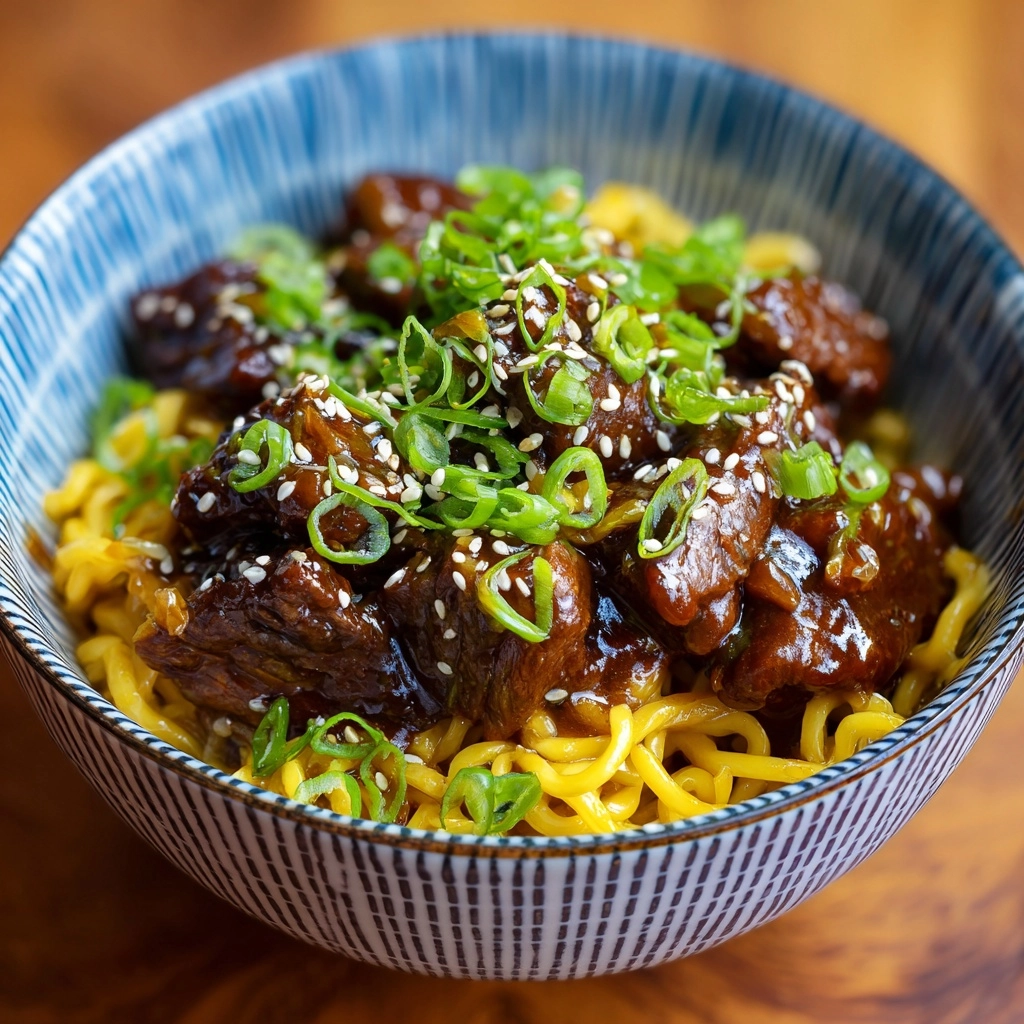
If you are craving something incredibly flavorful, satisfying, and surprisingly simple to make, this Mongolian Beef and Noodle Recipe is your new best friend in the kitchen. Tenderly seared flank steak coated in a lightly crispy cornstarch crust meets a luscious, sticky sauce that perfectly balances sweet, savory, and just a hint of spice. Tossed together with tender noodles and bright green onions, this dish delivers an irresistible combination of textures and colors that makes every bite a delight. Whether you’re cooking for a busy weeknight dinner or impressing friends on the weekend, this recipe never fails to bring big flavors in a straightforward way.
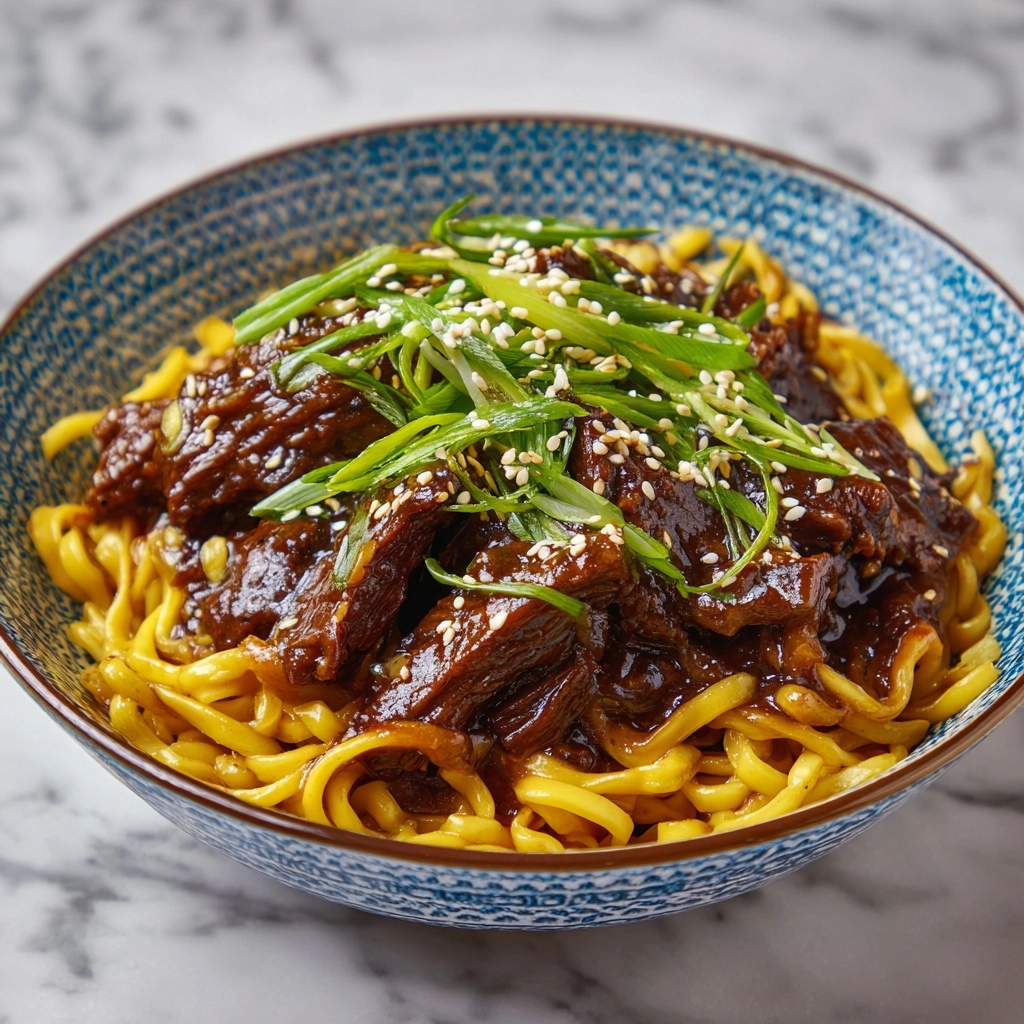
Ingredients You’ll Need
Getting your ingredients right is the first step toward nailing this Mongolian Beef and Noodle Recipe. Each item plays an important role, from creating the perfect sauce to giving the dish its signature tender yet crispy texture and vibrant flavor.
- Flank steak: Thinly sliced against the grain for maximum tenderness and perfect bite-sized pieces.
- Cornstarch: Creates a crispy coating on the beef that soaks up the flavorful sauce beautifully.
- Vegetable oil: Essential for searing your beef to a golden, caramelized finish without burning.
- Garlic: Freshly minced for aromatic depth that wakes up your taste buds.
- Fresh ginger: Adds a peppery, slightly sweet punch that complements the garlic.
- Low-sodium soy sauce: Brings umami and saltiness while keeping control over sodium.
- Brown sugar: Balances the soy sauce with caramel sweetness that thickens into a glossy sauce.
- Water: Used to adjust the sauce consistency just right without thinning it too much.
- Red pepper flakes (optional): Add a gentle kick if you like your Mongolian Beef and Noodle Recipe with a touch of heat.
- Lo mein or spaghetti noodles: Cooked and drained, they soak up all the delicious sauce and bring that comforting carb factor.
- Green onions: Sliced fresh for a pop of color and mild onion flavor that brightens the dish.
- Sesame oil: Stirred in at the end for a nutty aroma and flavor that rounds out the meal.
- Sesame seeds (optional): Sprinkle on top as a delightful garnish for texture and presentation.
How to Make Mongolian Beef and Noodle Recipe
Step 1: Prepare and Coat the Beef
Start by thinly slicing your flank steak against the grain—this ensures each piece will be tender after cooking. Toss the beef in cornstarch, coating every slice evenly, then let it sit for about 10 minutes. This cornstarch coating is the secret to that crispy, irresistible crust you want on your Mongolian beef.
Step 2: Sear the Beef
Heat vegetable oil in a large skillet or wok over medium-high heat until shimmering. Add your coated beef in batches, careful not to overcrowd the pan, and sear each side until golden brown and crispy on the edges, about 2 to 3 minutes per side. Once done, remove the beef and set it aside so we can prepare the sauce.
Step 3: Sauté Aromatics and Make the Sauce
In the same skillet with those flavorful browned bits left behind, toss in your minced garlic and ginger. Sauté for about 30 seconds until fragrant but not burnt—this step infuses the sauce with wonderful aroma. Pour in soy sauce, brown sugar, water, and the optional red pepper flakes, stirring to dissolve the sugar. Let the sauce simmer for 2 to 3 minutes until it thickens slightly and becomes glossy.
Step 4: Combine Noodles, Beef, and Sauce
Now, add your cooked and drained noodles back into the skillet along with the seared beef. Toss everything together so the noodles and beef get coated evenly in that rich, savory sauce. Stir in sliced green onions and a splash of sesame oil for an extra boost of freshness and nuttiness. Give it 1 to 2 more minutes on heat just to bring everything together perfectly.
How to Serve Mongolian Beef and Noodle Recipe
Garnishes
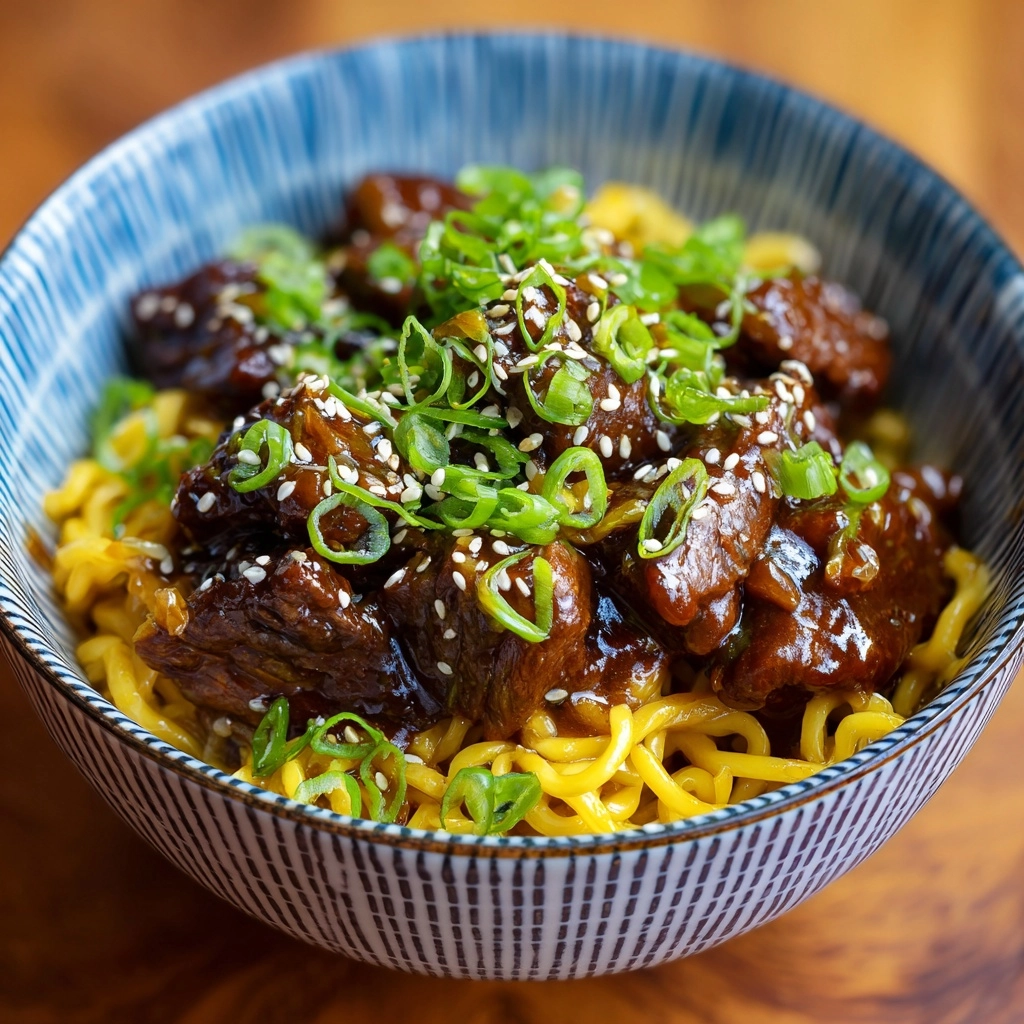
Before serving, sprinkle a handful of toasted sesame seeds over the dish for a little extra crunch and visual appeal. Fresh green onion slices can also be added on top for an eye-catching color contrast and subtle crispness that complements the tender beef and noodles.
Side Dishes
This Mongolian Beef and Noodle Recipe pairs beautifully with simple steamed vegetables like broccoli or bok choy to add a healthy, vibrant component to the meal. You could also serve it alongside a light Asian cucumber salad for crispness and acidity that cuts through the sweet-salty sauce.
Creative Ways to Present
Want to impress at your next dinner? Serve the beef and noodles in individual bowls garnished with sprigs of fresh cilantro or thinly sliced red chilies for a pop of color and extra flavor layers. Alternatively, turn it into a noodle bowl with a side of kimchi and some lime wedges for an exciting fusion twist.
Make Ahead and Storage
Storing Leftovers
Leftover Mongolian Beef and Noodle Recipe keeps well in an airtight container in the refrigerator for up to 3 days. The beef may soften a bit more, but the flavors intensify as it sits, making for an even tastier next-day meal.
Freezing
If you want to freeze this dish, separate the noodles and beef with sauce into a freezer-safe container and store for up to 2 months. For best texture, thaw overnight in the fridge before reheating to avoid sogginess.
Reheating
Reheat leftovers gently in a skillet over medium heat, stirring occasionally to prevent sticking. You can add a splash of water or soy sauce to loosen the sauce if it thickened too much in the fridge. Avoid microwaving if possible to keep the noodles and beef from becoming mushy.
FAQs
Can I use a different cut of beef for this recipe?
Absolutely! While flank steak is preferred for its tenderness and flavor, you can use skirt steak or sirloin as alternatives. Just make sure to slice very thinly against the grain so the beef remains tender.
Is it possible to make this dish gluten-free?
Yes! Substitute the soy sauce with tamari and swap out lo mein noodles for rice noodles to make a gluten-free version of the Mongolian Beef and Noodle Recipe without compromising taste.
How spicy is this dish?
The red pepper flakes are optional, so you control the heat level. Leaving them out results in a mild, sweet-savory flavor, while adding them gives the dish a gentle, pleasant kick.
Can I prepare any parts of this dish in advance?
You can slice the beef and toss it in cornstarch a few hours ahead to save time. Cooking the noodles in advance is also a great idea since they reheat quickly when you finish the dish.
What type of noodles works best?
Lo mein noodles are traditional and perfect for soaking up the sauce, but spaghetti works well too if you don’t have lo mein on hand. Just cook them al dente to prevent getting mushy when tossed with the sauce.
Final Thoughts
This Mongolian Beef and Noodle Recipe is the perfect blend of comforting, flavorful, and easy to prepare, making it a go-to meal you’ll want to keep coming back to. Whether you’re cooking for yourself, family, or friends, this dish promises to fill your kitchen with amazing aromas and your plate with unforgettable taste. I can’t wait for you to try it and fall in love just like I did!
Print
Mongolian Beef and Noodle Recipe
- Prep Time: 15 minutes
- Cook Time: 15 minutes
- Total Time: 30 minutes
- Yield: 4 servings
- Category: Main Course
- Method: Stovetop
- Cuisine: Asian
Description
This Mongolian Beef and Noodle recipe offers a deliciously savory and slightly sweet stir-fry featuring tender flank steak coated in a crispy cornstarch crust, simmered in a rich soy-ginger sauce, and tossed with tender noodles and fresh green onions. Perfect for a quick and flavorful weeknight dinner, this Asian-inspired main course balances bold flavors with satisfying textures.
Ingredients
Beef
- 1 pound flank steak, thinly sliced against the grain
- 1/4 cup cornstarch
- 2 tablespoons vegetable oil
Sauce and Aromatics
- 3 cloves garlic, minced
- 1 tablespoon fresh ginger, minced
- 1/2 cup low-sodium soy sauce
- 1/2 cup brown sugar
- 1/4 cup water
- 1/2 teaspoon red pepper flakes (optional)
Noodles and Garnishes
- 8 ounces lo mein or spaghetti noodles, cooked and drained
- 4 green onions, sliced
- 1 tablespoon sesame oil
- Sesame seeds for garnish (optional)
Instructions
- Coat the Beef: In a large bowl, toss the sliced flank steak with cornstarch until each piece is evenly coated. Let the steak sit for 10 minutes to allow the coating to adhere and prepare for searing.
- Sear the Beef: Heat vegetable oil in a large skillet or wok over medium-high heat. Add the beef in batches to avoid overcrowding and sear each piece until browned and crispy on the edges, about 2-3 minutes per side. Remove the cooked beef from the skillet and set aside.
- Sauté Aromatics: In the same skillet, add the minced garlic and ginger. Sauté for 30 seconds until fragrant, being careful not to burn the aromatics.
- Prepare the Sauce: Stir in low-sodium soy sauce, brown sugar, water, and red pepper flakes (if using). Bring the mixture to a simmer and cook for 2-3 minutes until the sauce is slightly thickened and glossy.
- Combine Noodles and Beef: Add the cooked noodles and seared beef back into the skillet. Toss everything together carefully to coat the beef and noodles evenly with the sauce.
- Finish with Aromatics and Oil: Stir in sliced green onions and sesame oil. Cook for another 1-2 minutes to combine flavors and heat thoroughly.
- Serve: Plate the Mongolian Beef and Noodles hot, garnished with sesame seeds if desired for an extra nutty crunch and presentation.
Notes
- For a gluten-free version, substitute tamari for soy sauce and use rice noodles instead of lo mein.
- Adjust the red pepper flakes according to your preferred spice level, or omit entirely for a milder dish.
- To ensure even cooking, slice the flank steak thinly against the grain before marinating with cornstarch.
- Serve immediately to enjoy the beef’s crispy edges and noodles at their best texture.