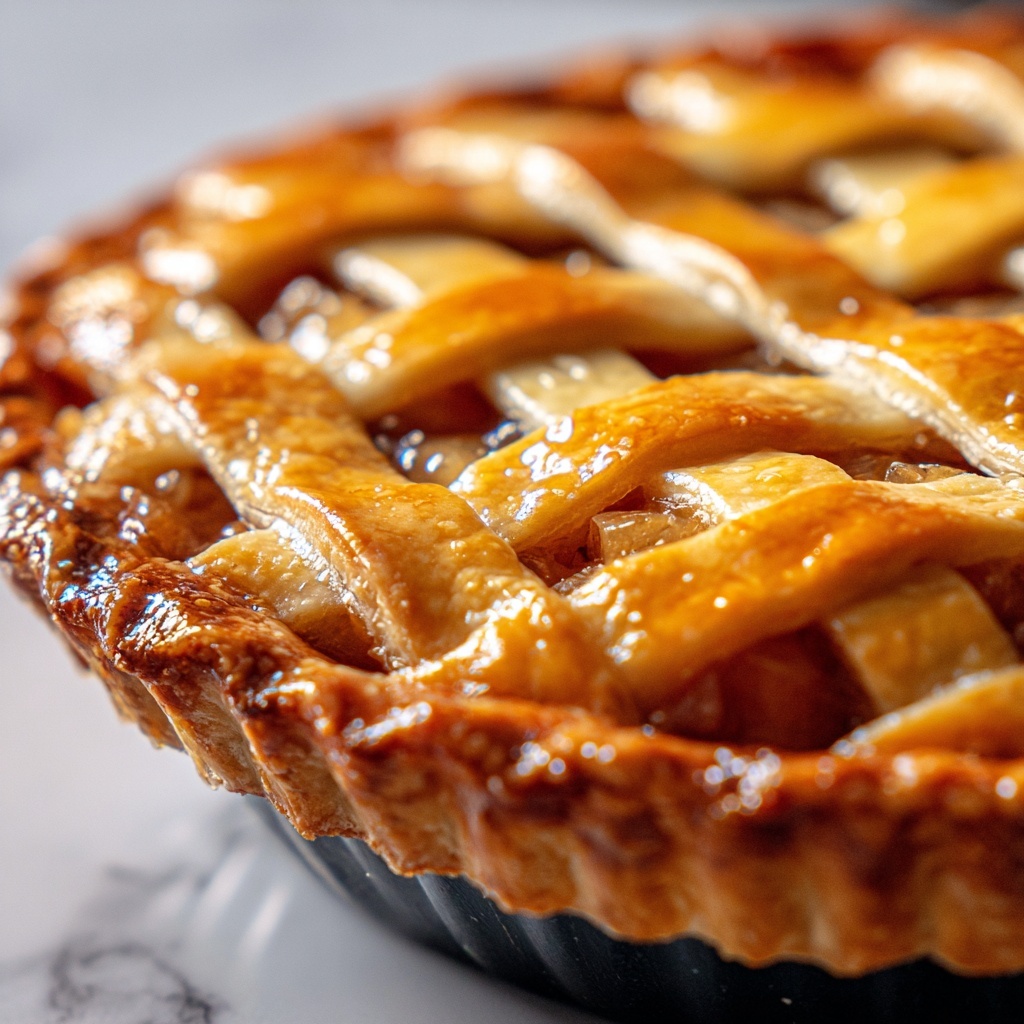
If you have ever dreamed of a pie crust that melts in your mouth with rich, buttery flavor and a satisfyingly flaky texture, then this All-Butter Pie Crust with Flavor Variations Recipe is going to become your new best friend in the kitchen. The beauty of this recipe lies not only in its simplicity but also in its versatility, allowing you to tailor your crust with subtle herb infusions, a touch of sweetness, or even a spiced surprise. Whether you are a pie purist or love a little creative flair, this recipe delivers buttery bliss that will elevate every pie you make.

Ingredients You’ll Need
All you need to whip up this all-butter pie crust are a handful of straightforward ingredients that work in harmony to create the perfect balance of flavor and texture. Each component plays a special role, from the richness of the butter to the tenderness provided by the ice cold water, so gathering quality ingredients will truly pay off.
- Cold unsalted butter (1 cup, cubed): Cold butter is key for flakiness and rich flavor, so keep it well chilled.
- All-purpose flour (2 1/2 cups): The foundation of your crust, providing structure and tenderness.
- Salt (1 teaspoon): Enhances the flavors and balances the sweetness.
- Granulated sugar (1 tablespoon, optional): Adds a subtle sweetness for sweet pie varieties.
- Ice cold water (6 to 8 tablespoons): Brings the dough together without melting the butter, ensuring a tender crust.
- Chopped fresh herbs (rosemary, thyme): For a savory herb-infused crust variation.
- Whole wheat flour (substitute half the all-purpose): Offers a nutty flavor and hearty texture in a whole wheat blend.
- Gluten-free flour blend with xanthan gum: Perfect for those who want a gluten-free crust without compromising texture.
- Extra sugar (1-2 tablespoons): For a sweeter crust, ideal for fruit pies and tarts.
- Cinnamon or nutmeg: Adds a warm, spiced note to your crust for cozy pie recipes.
How to Make All-Butter Pie Crust with Flavor Variations Recipe
Step 1: Chill Your Ingredients
Begin by chilling your cold unsalted butter and ice cold water in the refrigerator for at least one hour. Keeping these ingredients chilled is absolutely crucial because it helps the butter stay solid when mixed with the flour, creating that flaky texture everyone craves in a perfectly baked crust.
Step 2: Mix Dry Ingredients
In a large bowl, whisk together your all-purpose flour, salt, and granulated sugar if you choose to use it. This simple step ensures the dry ingredients are evenly combined, which prevents clumping and aids in a smooth mixing process when the butter is introduced.
Step 3: Cut in the Butter
Now for the fun part! Using a pastry cutter or even your fingertips, work the chilled butter into the flour mixture until pea-sized crumbs form. Don’t worry about perfection here; leaving some larger butter pieces is actually a good thing because they create those signature flaky layers in the finished crust.
Step 4: Add Ice Cold Water
Add the ice cold water one tablespoon at a time, gently mixing with a fork just until the dough starts to come together. Be cautious not to overwork the dough because over-mixing can warm up the butter and develop too much gluten, leading to a tougher crust rather than a tender one.
Step 5: Form and Chill the Dough
Gather your dough into two discs, then wrap each tightly in plastic wrap. Chill them in the refrigerator for at least one hour—this step hydrates the flour and relaxes the gluten, which improves both texture and ease of rolling.
Step 6: Roll Out and Use
When you’re ready, lightly flour your surface and roll out each disc to about 1/8 inch thickness. Carefully transfer the dough to your pie dish, trim the edges neatly, and you’re all set to fill and bake. This is your blank canvas for a perfect pie experience.
How to Serve All-Butter Pie Crust with Flavor Variations Recipe
Garnishes
Sprinkle a pinch of coarse sugar on sweet pie crusts before baking for a sparkling, crunchy finish. For herb-infused or savory varieties, a sprinkle of flaky sea salt right before serving enhances the natural flavors beautifully.
Side Dishes
This buttery pie crust pairs wonderfully with classic autumn sides like spiced apple chutney or a scoop of tangy whipped cream. When serving a savory pie with a herb-infused crust, consider roasted vegetables or a fresh green salad to balance the hearty flavors.
Creative Ways to Present
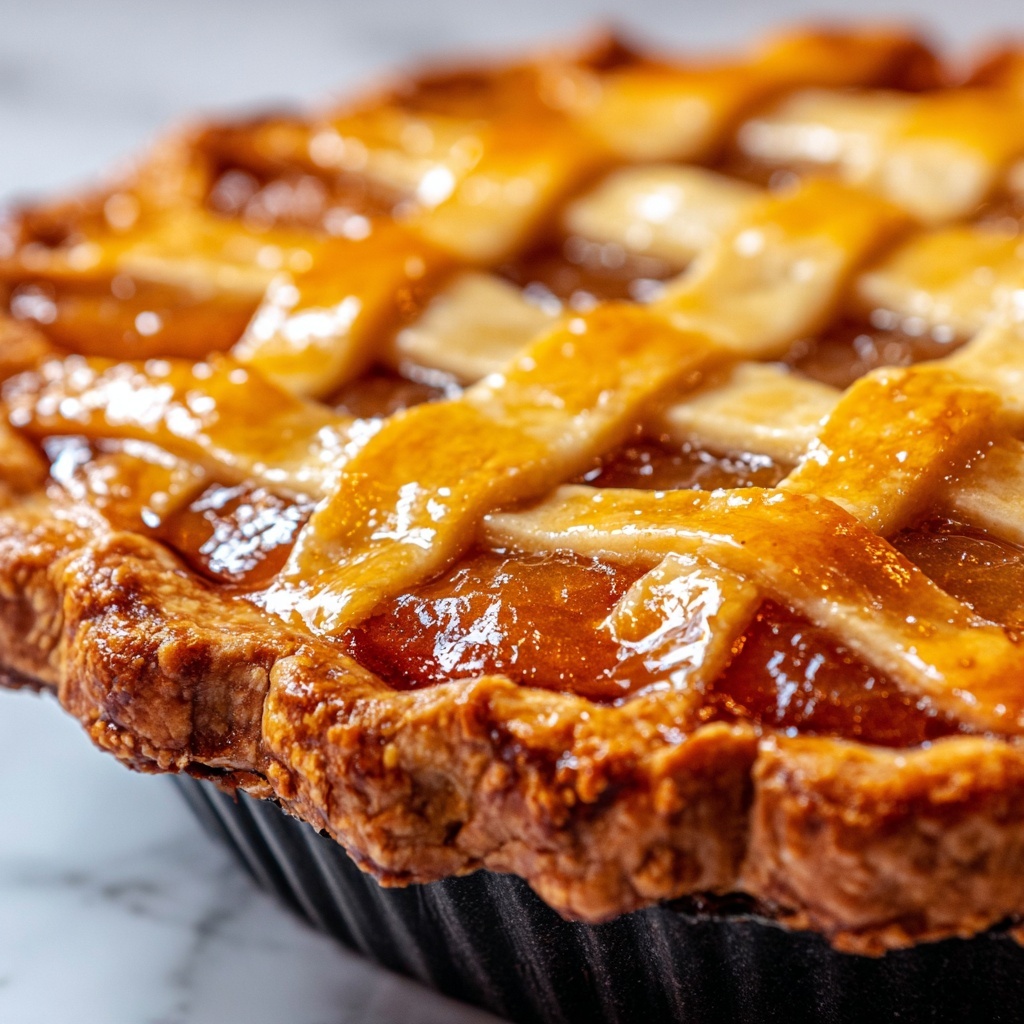
Think beyond a single crust! Try lattice tops, decorative cut-outs, or brush your crust with egg wash and a dash of cinnamon sugar for eye-catching results. Using the flavor variations, you can customize each pie to fit seasons, special occasions, or simply your mood.
Make Ahead and Storage
Storing Leftovers
If you have any leftover pie crust dough, wrap it tightly in plastic wrap and refrigerate for up to 3 days. This allows you to enjoy fresh homemade pie crust without the hassle of making dough from scratch every time.
Freezing
For longer storage, freezing is your best friend. Wrap dough discs securely in plastic wrap and place in a freezer-safe bag. Freeze for up to 3 months. When you’re ready to bake, thaw overnight in the refrigerator for best results.
Reheating
Once baked, if you need to reheat a pie with this crust, warm it gently in a low oven (around 300°F/150°C) for 10–15 minutes. This helps the crust regain some crispness without drying out the filling.
FAQs
Can I use all whole wheat flour for this recipe?
While you can use all whole wheat flour, substituting half the all-purpose flour with whole wheat is recommended to keep the crust tender and flaky without becoming too dense.
What’s the benefit of using all butter instead of shortening?
All-butter pie crusts offer unbeatable flavor and a tender, flaky texture that shortening lacks. The butter’s rich, creamy notes shine through in every bite, making your crust extra special.
How do I prevent the crust from shrinking during baking?
Chilling the dough thoroughly before rolling and baking helps minimize shrinking. Also, avoid stretching the dough when placing it in the pie dish. Using pie weights during blind baking can also help keep the shape intact.
Can I make this recipe gluten-free?
Yes! Substitute the all-purpose flour with a gluten-free flour blend that contains xanthan gum for structure. The All-Butter Pie Crust with Flavor Variations Recipe adapts wonderfully for gluten-free baking with a few tweaks.
How should I store leftover baked pie crusts?
Store baked pies at room temperature if they don’t contain perishable fillings, in an airtight container to keep the crust crisp. For pies with dairy or eggs, refrigeration is best, but the crust might soften over time.
Final Thoughts
There is something truly magical about mastering a homemade all-butter pie crust, especially when you can play around with flavors to suit any occasion. The All-Butter Pie Crust with Flavor Variations Recipe invites you to experiment and create those little touches that make your pie uniquely yours. So roll up your sleeves, grab your chilled butter, and dive into this recipe—you’re just one crust away from pie perfection.
Print
All-Butter Pie Crust with Flavor Variations Recipe
- Prep Time: 15 minutes
- Cook Time: N/A
- Total Time: 1 hour 15 minutes
- Yield: 2 pie crusts (enough for two 9-inch pie dishes)
- Category: Baking
- Method: Baking
- Cuisine: American
- Diet: Vegetarian
Description
This All Butter Pie Crust recipe delivers a flaky, tender base perfect for sweet or savory pies. Made with cold unsalted butter, all-purpose flour, and a touch of salt and sugar, this classic crust is easy to prepare and can be customized with herbs or spices. The process involves chilling butter and water to achieve maximum flakiness, cutting the butter into the flour mixture, and chilling the dough before rolling it out for your favorite pie filling.
Ingredients
Basic Ingredients
- 1 cup (225g) cold unsalted butter, cubed
- 2 1/2 cups (312g) all-purpose flour
- 1 teaspoon salt
- 1 tablespoon granulated sugar (optional)
- 6 to 8 tablespoons ice cold water
Optional Variations and Additions
- Chopped fresh herbs (rosemary, thyme) for herb-infused crust
- Substitute half the flour with whole wheat flour for a whole wheat blend
- Gluten-free flour blend with xanthan gum for gluten-free crust
- Extra sugar (1-2 tablespoons) for sweetened crust
- Cinnamon or nutmeg for spiced crust
Instructions
- Chill Your Ingredients: Place the cold unsalted butter and the ice cold water in the refrigerator for at least one hour to keep them thoroughly chilled, which is key to achieving a flaky pie crust.
- Mix Dry Ingredients: In a large bowl, whisk together the all-purpose flour, salt, and granulated sugar if using. This ensures even distribution and prevents clumping when the butter is added.
- Cut in the Butter: Use a pastry cutter or your fingertips to cut the chilled butter into the flour mixture until the texture resembles pea-sized crumbs, leaving some larger pieces to enhance flakiness.
- Add Ice Cold Water: Gradually add the ice cold water one tablespoon at a time, mixing gently with a fork just until the dough begins to come together. Avoid overmixing to keep the dough tender and the butter cold.
- Form and Chill the Dough: Gather the dough into two discs, wrap tightly in plastic wrap, and refrigerate for at least one hour to allow the flour to hydrate and the gluten to relax, improving texture and workability.
- Roll Out and Use: Lightly flour a clean surface and roll each dough disc to about 1/8 inch thick. Transfer the rolled dough to your pie dish, trim the edges neatly, and proceed with your desired pie filling and baking instructions.
Notes
- Keep all ingredients as cold as possible to ensure a flaky crust.
- Do not overwork the dough to prevent toughness.
- For a gluten-free crust, substitute with a gluten-free flour blend containing xanthan gum.
- Adding herbs or spices can infuse the crust with additional flavor suitable for savory or sweet pies.
- The dough can be prepared ahead and frozen if wrapped well.