
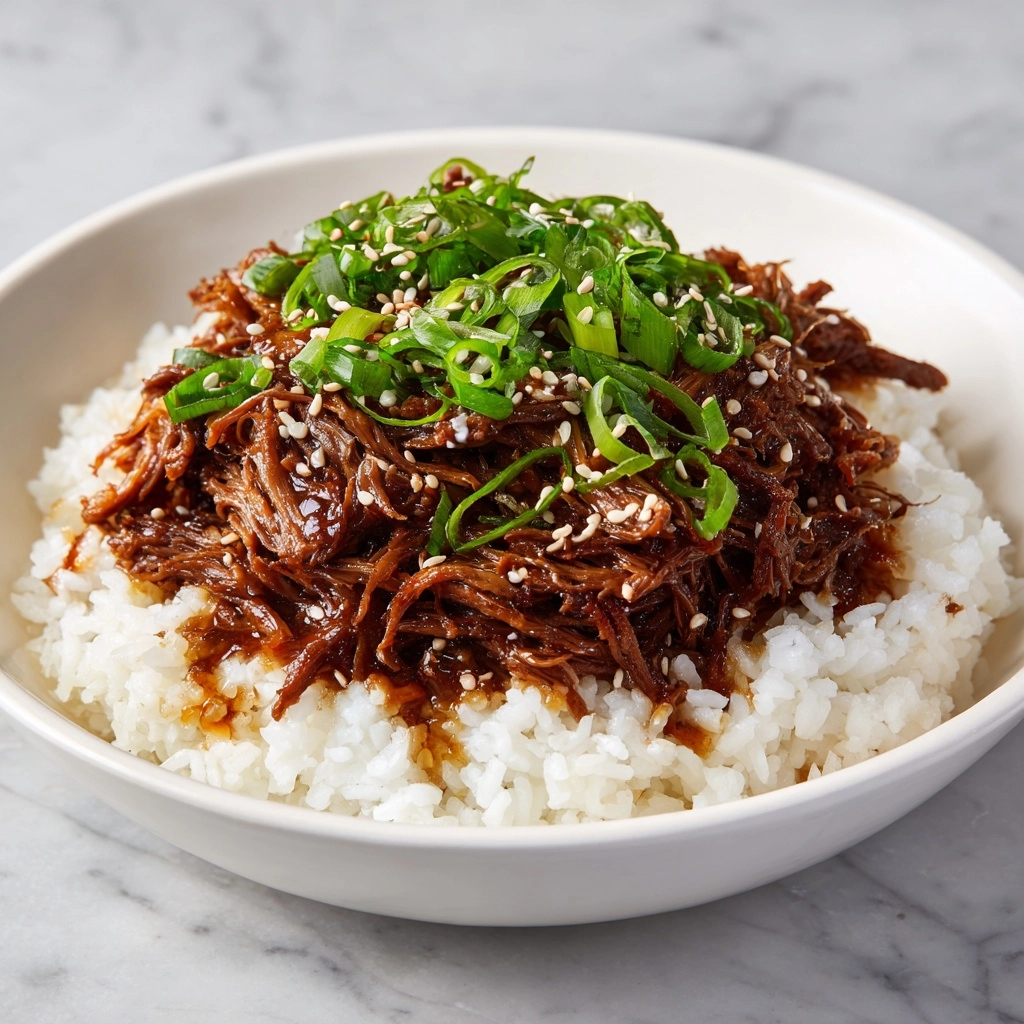
If you love rich, hearty flavors with a perfect balance of sweet heat, then this Sweet and Spicy Korean Beef Stew Recipe will quickly become one of your go-to meals. Imagine tender cubes of beef simmered to perfection in a luscious broth infused with gochujang’s spicy kick and a touch of brown sugar’s caramel sweetness. This stew delivers layers of comforting warmth, vibrant colors from tender vegetables, and just the right amount of depth to make every spoonful utterly addictive. It’s a taste of Korean comfort food that feels cozy and special all at once.
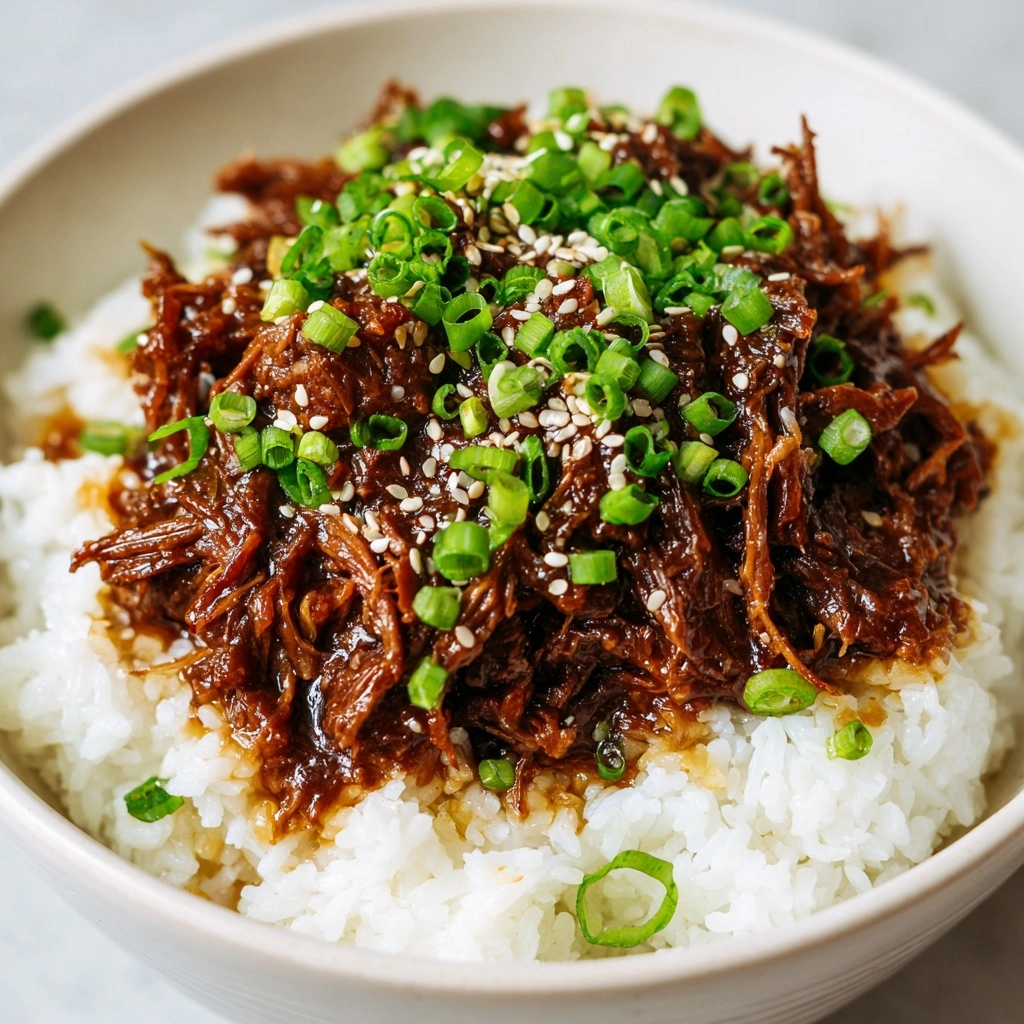
Ingredients You’ll Need
Gathering your ingredients for this Sweet and Spicy Korean Beef Stew Recipe is straightforward and rewarding. Each component plays a crucial role—whether it’s the tender beef chuck offering hearty texture, the gochujang delivering bold, spicy undertones, or the fresh vegetables that brighten and balance the dish.
- 2 pounds beef chuck, cut into 1.5-inch cubes: The star protein that becomes meltingly tender during slow cooking.
- 1 tablespoon vegetable oil: For that initial perfect sear on the beef, locking in flavor.
- 1 medium onion, sliced: Adds natural sweetness when sautéed and deepens the stew’s aroma.
- 4 cloves garlic, minced: Brings warmth and an irresistible savory punch.
- 1 tablespoon ginger, grated: Injects a fresh, zesty note that lifts the heavier ingredients.
- 1/2 cup low-sodium soy sauce: Provides umami richness and saltiness without overpowering.
- 1/4 cup gochujang (Korean red chili paste): The vibrant, spicy-sweet heat that defines this stew.
- 2 tablespoons brown sugar: Balances the spice with a hint of caramelized sweetness.
- 1 tablespoon sesame oil: Adds a toasty, nutty fragrance that rounds out the flavor profile.
- 2 cups beef broth: The flavorful liquid that carries all the ingredients to stew perfection.
- 2 medium carrots, cut into chunks: Contribute subtle sweetness and a nice bite.
- 1 large potato, peeled and cubed: Bulk up the stew and soak up all the saucy goodness.
- 1 tablespoon rice vinegar: Adds a bright finish that balances the stew’s richness.
- 1 teaspoon black pepper: Lends gentle heat and depth.
- 2 green onions, chopped: Fresh, sharp garnish to contrast the deep flavors.
- 1 tablespoon toasted sesame seeds (optional): For a delightful nutty crunch on top.
How to Make Sweet and Spicy Korean Beef Stew Recipe
Step 1: Sear the Beef to Lock in Juices
Start by heating the vegetable oil over medium-high heat in a heavy-bottomed pot or Dutch oven. Sear the beef cubes in a single layer to caramelize all sides — this step is key to developing that intense, savory flavor base. Do it in batches if necessary to avoid overcrowding and steaming the meat. Once beautifully browned, set the beef aside; patience here really pays off in taste and texture.
Step 2: Sauté the Aromatics
In the same pot, toss in your sliced onions, minced garlic, and grated ginger. Cook them just long enough for their aromas to blossom, about 2 to 3 minutes. This fragrant foundation will elevate the stew and meld beautifully with the rich beef flavors.
Step 3: Build the Sauce
Now stir in your low-sodium soy sauce, the star gochujang, brown sugar, sesame oil, and black pepper. Mixing these ingredients at this stage allows the sugar to dissolve and the spicy paste to mingle properly with the aromatics, creating a luscious, well-balanced sauce base.
Step 4: Simmer the Beef in Broth
Return those gorgeous browned beef chunks to the pot, then pour in the beef broth. Bring everything to a gentle simmer before lowering the heat to maintain a slow bubble. Cover the pot and let the stew cook patiently for 1.5 to 2 hours. This slow braise is what transforms the beef to fork-tender perfection while deepening the stew’s flavor complexity.
Step 5: Add Vegetables and Finish Cooking
After the beef is tender, add your carrot chunks and cubed potatoes to the pot. Allow the stew to continue cooking for another 25 to 30 minutes. The vegetables will soften wonderfully and help thicken the broth slightly, making each bite satisfyingly hearty.
Step 6: Brighten & Season to Taste
To balance all the rich flavors, stir in a tablespoon of rice vinegar. Taste the stew and adjust seasoning if needed — sometimes a pinch more sugar, pepper, or soy sauce can make all the difference. This final step ensures your Sweet and Spicy Korean Beef Stew Recipe bursts with harmonious flavor.
How to Serve Sweet and Spicy Korean Beef Stew Recipe
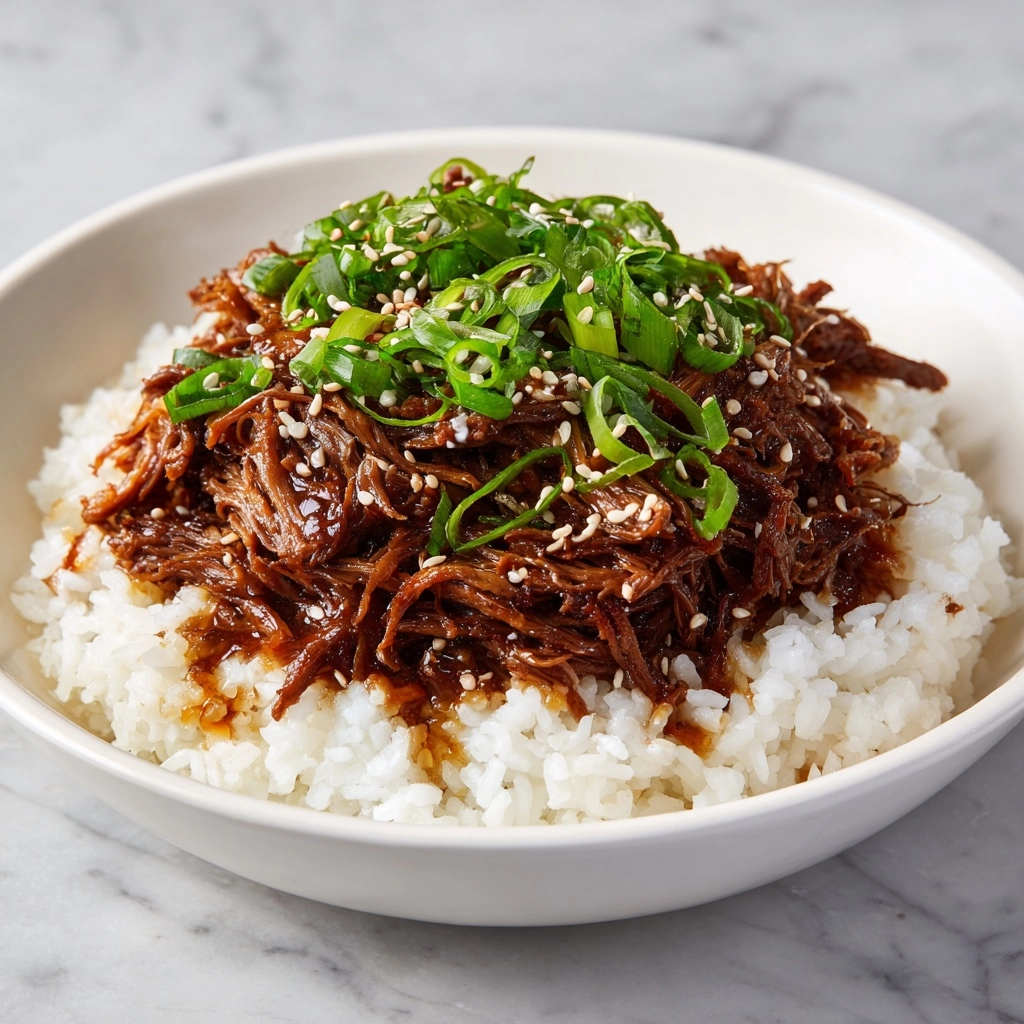
Garnishes
Finishing your stew with fresh chopped green onions and a sprinkle of toasted sesame seeds not only adds a pop of color but also layers in a fresh sharpness and subtle crunch. These little touches refine the dining experience and make the dish look irresistible on the table.
Side Dishes
This Sweet and Spicy Korean Beef Stew Recipe pairs like a dream with steamed white rice, which soaks up the savory-spicy sauce perfectly. For a carb alternative, crusty bread works wonders to sop up every last drop, turning the meal into a satisfying feast.
Creative Ways to Present
For a delightful twist, serve the stew over cooked noodles or even creamy mashed potatoes for a fusion comfort meal. You can also ladle it into individual bowls and garnish with thinly sliced red chilies or a drizzle of extra sesame oil for an elevated presentation that’s sure to impress.
Make Ahead and Storage
Storing Leftovers
Leftovers from this Sweet and Spicy Korean Beef Stew Recipe keep beautifully in an airtight container in the refrigerator for up to 3 days. The flavors actually deepen overnight, making the next-day meal even more delicious.
Freezing
If you want to save some for later, freeze the stew in freezer-safe containers for up to 3 months. Just be sure to cool it completely before freezing to preserve the best texture and flavor.
Reheating
Reheat gently on the stovetop over low heat, stirring occasionally until warmed through. Adding a splash of beef broth or water can help loosen the stew if it has thickened too much in the fridge.
FAQs
Can I use a different cut of beef for this stew?
Absolutely! While beef chuck is ideal because of its marbling and tenderness after slow cooking, you can use brisket or short ribs too. Just adjust the cooking time accordingly.
Is gochujang very spicy?
Gochujang has a moderate heat level with a sweet undertone. If you prefer milder flavors, use less or substitute with a mild chili paste. For extra heat, adding gochugaru (Korean chili flakes) enhances spiciness beautifully.
Can I make this stew in a slow cooker?
Yes! After searing the beef and sautéing the aromatics on the stovetop, transfer everything to a slow cooker. Cook on low for 6 to 8 hours or high for 3 to 4 hours until the beef is tender.
What can I serve instead of rice?
If you want to switch things up, serve the stew over noodles, creamy polenta, or even cauliflower rice for a low-carb option. Each adds a unique texture and flavor that complements the stew well.
Is this recipe gluten-free?
Traditional soy sauce contains gluten, so to make this stew gluten-free, use tamari or a gluten-free soy sauce alternative. This swap keeps the flavor intact for anyone with gluten sensitivity.
Final Thoughts
There’s something truly magical about a home-cooked stew that warms your soul and lingers in your memory, and this Sweet and Spicy Korean Beef Stew Recipe hits all those notes perfectly. It’s a celebration of bold Korean flavors wrapped in tender, comforting textures that invite you back for seconds (and thirds). I can’t wait for you to try this recipe and make it your own cozy favorite—it’s a guaranteed crowd-pleaser that feels like a big, delicious hug at the end of any day.
Print
Sweet and Spicy Korean Beef Stew Recipe
- Prep Time: 20 minutes
- Cook Time: 2 hours 15 minutes
- Total Time: 2 hours 35 minutes
- Yield: 6 servings
- Category: Main Course
- Method: Stovetop
- Cuisine: Korean
Description
This Sweet and Spicy Korean Beef Stew features tender cubes of beef chuck simmered in a flavorful blend of soy sauce, gochujang, garlic, and ginger. Enhanced with carrots and potatoes, this hearty stew combines deep, savory, and spicy flavors with a touch of sweetness, making it a perfect comforting meal that captures the essence of Korean cuisine.
Ingredients
Beef and Main Ingredients
- 2 pounds beef chuck, cut into 1.5-inch cubes
- 1 tablespoon vegetable oil
- 1 medium onion, sliced
- 4 cloves garlic, minced
- 1 tablespoon ginger, grated
- 1/2 cup low-sodium soy sauce
- 1/4 cup gochujang (Korean red chili paste)
- 2 tablespoons brown sugar
- 1 tablespoon sesame oil
- 2 cups beef broth
- 2 medium carrots, cut into chunks
- 1 large potato, peeled and cubed
- 1 tablespoon rice vinegar
- 1 teaspoon black pepper
Garnishes
- 2 green onions, chopped
- 1 tablespoon toasted sesame seeds (optional)
Instructions
- Sear the Beef: Heat the vegetable oil in a large Dutch oven or heavy-bottomed pot over medium-high heat. Add the beef cubes in a single layer and sear until browned on all sides, working in batches if necessary to avoid overcrowding. Remove the beef and set aside.
- Sauté Aromatics: In the same pot, add the sliced onion, minced garlic, and grated ginger. Sauté for 2 to 3 minutes until fragrant and softened, releasing their flavors into the oil.
- Add Sauces and Spices: Stir in the soy sauce, gochujang, brown sugar, sesame oil, and black pepper into the pot with the aromatics, combining everything thoroughly.
- Simmer the Beef: Return the seared beef cubes to the pot and pour in the beef broth. Bring the mixture to a simmer over medium heat, then reduce the heat to low. Cover the pot and cook for 1.5 to 2 hours, until the beef is very tender and flavorful.
- Add Vegetables: Add the carrots and potatoes to the stew. Continue cooking, covered, for another 25 to 30 minutes until the vegetables are soft and the stew has thickened slightly.
- Finish the Stew: Stir in the rice vinegar to brighten the flavors. Taste and adjust seasoning if needed.
- Serve: Ladle the stew into bowls and garnish with chopped green onions and toasted sesame seeds if desired. Serve hot alongside steamed rice or crusty bread for a satisfying meal.
Notes
- For extra heat, add a teaspoon of gochugaru (Korean red pepper flakes) when adding the sauces.
- This stew pairs perfectly with steamed rice or crusty bread to soak up the flavorful broth.
- Leftovers taste even better the next day after flavors have had time to meld and develop further.
- Use low-sodium soy sauce to control overall saltiness in the stew.
- Beef chuck is preferred for its tenderness and rich flavor after slow simmering.