“`html
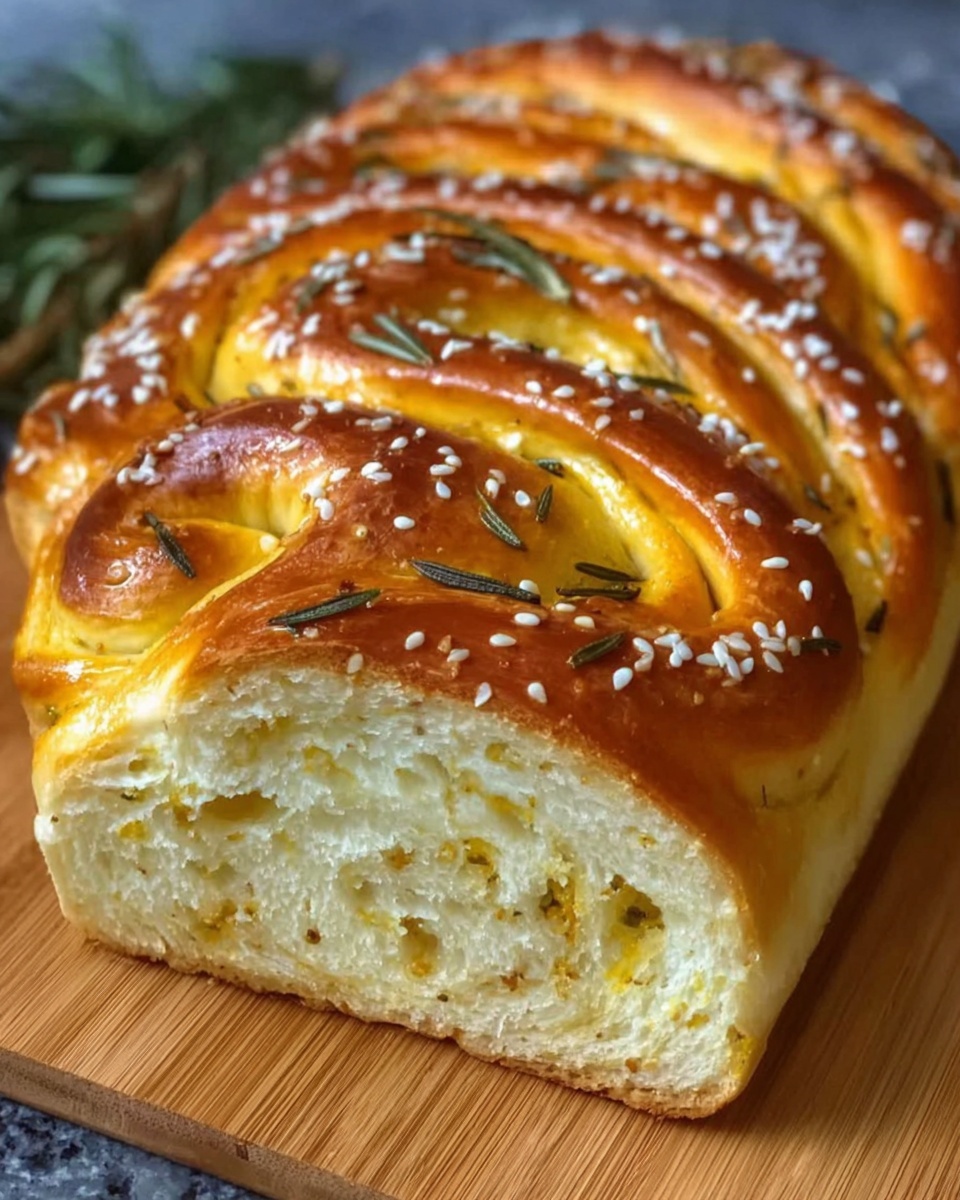
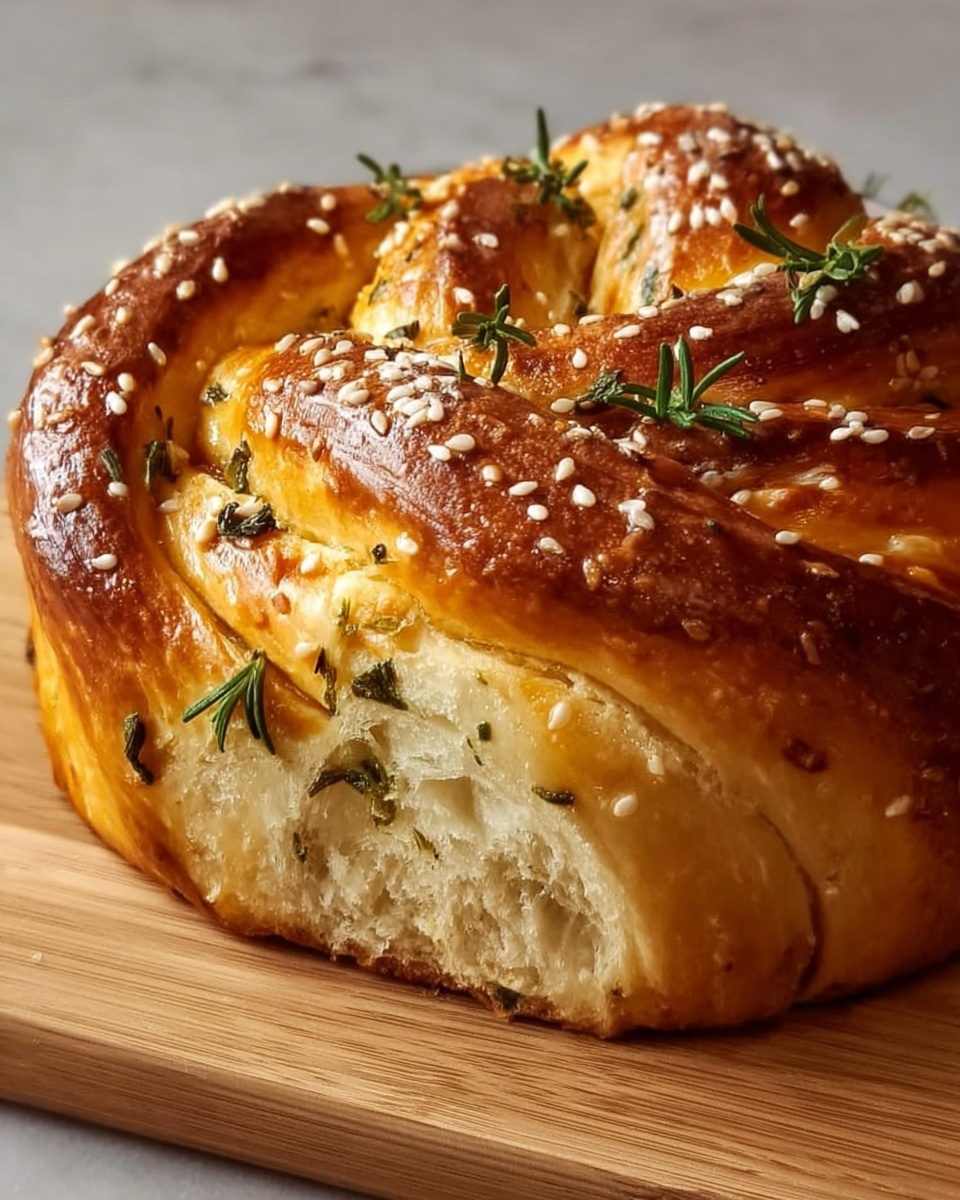
There is something truly magical about the aroma of freshly baked bread filling your kitchen, especially when it’s bursting with fragrant rosemary and savory garlic. This Rustic No Knead Rosemary Garlic Bread Recipe effortlessly combines simplicity and flavor to create a crusty, golden loaf that feels like a warm hug in bread form. The beauty of this recipe is in its minimal hands-on time and the way it relies on slow fermentation to develop a wonderfully tender crumb and rich taste. Whether you’re a seasoned home baker or a curious beginner, this Rustic No Knead Rosemary Garlic Bread Recipe will quickly become one of your favorite go-to breads for any time of the day.
Ingredients You’ll Need
Get ready for a recipe that celebrates simplicity in its best form. Each ingredient here plays a crucial role, whether it’s developing the texture, enhancing aroma, or creating that irresistible golden crust.
- 3 cups all-purpose flour: Provides structure and the perfect base for the bread’s chewy crumb.
- 3 cloves garlic, minced: Adds a savory punch that warms each bite with depth and aroma.
- 1 tablespoon finely chopped fresh rosemary: Brings a fragrant, piney note that pairs exquisitely with garlic.
- 1 ¼ teaspoons kosher salt: Enhances all the flavors while controlling yeast activity.
- ¾ teaspoon freshly ground black pepper: Offers a subtle hint of spice for complexity.
- ½ teaspoon instant yeast: The magic behind the bread’s rise, working gently during the long ferment.
- 1 ½ cups water, at room temperature: Hydrates the dough and helps activate the yeast.
- 2 tablespoons cornmeal: Keeps the bread from sticking and adds a slight crunch to the bottom crust.
How to Make Rustic No Knead Rosemary Garlic Bread Recipe
Step 1: Prepare the Dough
Begin by gathering your ingredients and combining the all-purpose flour, minced garlic, fresh rosemary, kosher salt, black pepper, and instant yeast in a large bowl. This dry mix is where the flavor foundation starts forming, so take a moment to appreciate the lovely herbal and garlicky scent mingling with the earthy flour.
Step 2: Add Water and Mix
Pour in the room-temperature water and gently stir everything together using a wooden spoon or your hand until a wet, sticky dough forms. It only takes about 30 seconds to come together, and you’ll notice the texture is loose and bubbly—exactly what we want to begin the slow fermentation process.
Step 3: Let the Dough Rest
Cover your bowl tightly with plastic wrap and set it aside at room temperature. Over the next 18 to 24 hours, the magic happens as the dough bubbles and ferments, developing flavor and lightness with little effort on your part. This slow rise is what makes the Rustic No Knead Rosemary Garlic Bread Recipe so special—patience transforms simple ingredients into something extraordinary.
Step 4: Prepare Your Baking Surface
Once your dough is beautifully bubbled, prepare a 10-inch cast iron skillet by lightly oiling it or coating it with nonstick spray. Then, sprinkle the bottom with cornmeal to create a rustic, crunchy crust and prevent sticking. This step ensures your bread will slide out after baking with a perfect base.
Step 5: Shape the Dough
Turn your dough gently onto a lightly floured surface. Handle it with care as you shape it into a round loaf—no need to knead, just coax it into shape. This gentle process helps retain the air pockets that create an airy, open crumb inside your bread.
Step 6: Proof the Bread
Place the shaped dough into your prepared skillet, cover it with a clean dishtowel, and allow it to rise again at room temperature. Give it about 2 hours until it doubles in size and doesn’t spring back swiftly when touched. This second rise is crucial for a beautifully risen loaf with lovely texture.
Step 7: Preheat the Oven
Set your oven to 450 degrees Fahrenheit and let it preheat fully. A hot oven is essential to get that crispy crust and golden color that defines rustic bread.
Step 8: Bake the Bread
Slide your skillet into the oven and bake the bread for 30 to 40 minutes until it develops a gorgeous golden brown hue with a crackly crust. The scent of rosemary, garlic, and bread roasting fills the air—it’s as comforting as it sounds. Once done, let it cool slightly before slicing to enjoy the full texture and flavor.
How to Serve Rustic No Knead Rosemary Garlic Bread Recipe
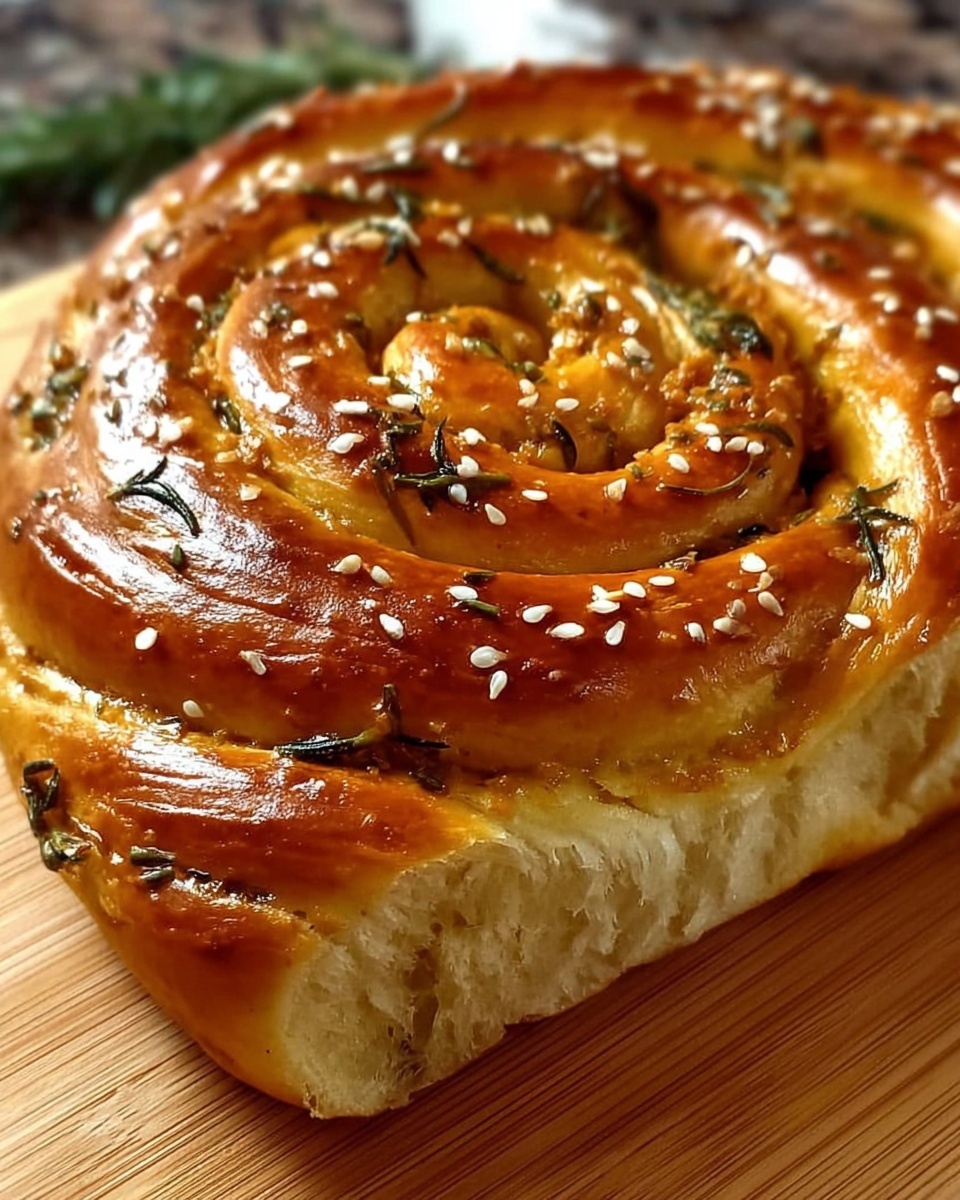
Garnishes
Though the bread shines on its own, simple garnishes like an extra sprinkle of coarse sea salt, a drizzle of olive oil, or a dusting of freshly chopped rosemary can elevate the experience. These touches enhance the aromatic notes and the bread’s rustic charm.
Side Dishes
This Rustic No Knead Rosemary Garlic Bread Recipe pairs beautifully with soups like creamy tomato bisque or hearty vegetable stew. It’s also fantastic alongside salads and charcuterie boards, where its robust flavors can stand up to cheeses and cured meats.
Creative Ways to Present
For a fun presentation, slice the bread partially without cutting through, then layer in slices of garlic butter or cheese, allowing it to melt under the warm crust. Alternatively, serve it alongside a fondue pot or use as a base for bruschetta topped with fresh tomatoes and basil.
Make Ahead and Storage
Storing Leftovers
Keep any leftover bread wrapped in a clean kitchen towel or stored in a paper bag to maintain its crusty exterior without trapping moisture. Stored this way, it stays fresh for up to 2 days. Avoid plastic wrap for storing at room temperature, as it softens the crust.
Freezing
If you want to savor this Rustic No Knead Rosemary Garlic Bread Recipe later, slice the loaf and store it in an airtight freezer bag. Freeze for up to 3 months. This method preserves both flavor and texture beautifully.
Reheating
To bring your bread back to life, reheat slices in a preheated 350°F oven or toaster oven for about 10 minutes. This revives the crispy crust and soft crumb, making each bite taste fresh right from the oven.
FAQs
Can I use dried rosemary instead of fresh?
Yes, you can substitute dried rosemary, but use about one-third the amount as fresh since dried herbs are more concentrated. Adding dried rosemary early in the mixing allows time for flavor to infuse.
Why is no kneading important for this bread?
No knead means less hands-on time and a more relaxed fermentation, which encourages better gluten development and flavor without the need for vigorous mixing. It’s perfect for busy days or casual baking.
What if I don’t have a cast iron skillet?
A heavy oven-safe dish like a Dutch oven or a deep baking pan works well. Just be sure to sprinkle cornmeal or line with parchment to prevent sticking and help develop the crust.
Can this bread be made gluten-free?
This particular recipe relies on the gluten in all-purpose flour for structure, so it’s not recommended for gluten-free baking without major adjustments. However, gluten-free bakers can adapt similar no-knead recipes using specialized flours and binders.
How can I get an even crunchier crust?
Try placing a small pan of water in the oven to create steam during baking, or increase baking time slightly. Both techniques help achieve a thicker, crunchier crust that stays crisp longer.
Final Thoughts
There is nothing quite like the satisfaction of pulling a warm, golden loaf from your oven that smells of fresh rosemary and garlic. This Rustic No Knead Rosemary Garlic Bread Recipe is not only approachable but deeply rewarding—a perfect blend of rustic charm and gourmet flavor. Whether you’re serving it for a cozy family dinner or a special gathering, it’s sure to impress and bring smiles all around. Don’t wait to make this your new bread staple; your kitchen and taste buds will thank you!
“`
Print
Rustic No Knead Rosemary Garlic Bread Recipe
- Prep Time: 10 minutes
- Cook Time: 40 minutes
- Total Time: 20 hours 50 minutes
- Yield: 8 to 8 servings
- Category: Bread
- Method: Baking
- Cuisine: American
Description
This Rustic No Knead Rosemary Garlic Bread is a simple yet flavorful homemade loaf that requires minimal effort and no kneading. Infused with fresh rosemary and garlic, this bread develops a crispy crust and tender crumb after a long fermentation and baking in a cast iron skillet. Perfect for dipping in olive oil, serving alongside soups, or enjoying as a savory snack.
Ingredients
Dry Ingredients
- 3 cups all-purpose flour
- 1 tablespoon finely chopped fresh rosemary (or more, to taste)
- 1 ¼ teaspoons kosher salt
- ¾ teaspoon freshly ground black pepper
- ½ teaspoon instant yeast
- 2 tablespoons cornmeal
Wet Ingredients
- 3 cloves garlic, minced
- 1 ½ cups water, at room temperature
Instructions
- Prepare the Dough: In a large bowl, combine the all-purpose flour, minced garlic, chopped rosemary, kosher salt, freshly ground black pepper, and instant yeast thoroughly.
- Mix the Dough: Using a wooden spoon or your hand, gradually add the room temperature water into the dry ingredients, mixing until a wet, sticky dough forms, which usually takes around 30 seconds.
- First Rise: Cover the bowl tightly with plastic wrap and let the dough rest at room temperature for 18 to 24 hours, until the surface is dotted with bubbles indicating fermentation.
- Prepare Skillet: Lightly oil a 10-inch cast iron skillet or spray it with nonstick cooking spray, then sprinkle evenly with cornmeal to prevent sticking.
- Shape the Dough: On a lightly floured surface, gently turn the dough out and shape it into a round loaf without deflating it too much.
- Second Rise (Proof): Place the shaped dough into the prepared skillet, cover with a clean dishtowel, and let it rise at room temperature for about 2 hours until it doubles in size and does not spring back quickly when gently poked.
- Preheat Oven: While the dough is proofing, preheat your oven to 450 degrees Fahrenheit (232 degrees Celsius).
- Bake the Bread: Place the skillet with the dough into the preheated oven and bake for 30 to 40 minutes until the bread turns a beautiful golden brown with a crisp crust.
Notes
- Long fermentation time allows the dough to develop flavor and texture without kneading.
- Using a cast iron skillet helps to achieve a crispy crust similar to wood-fired bread.
- The cornmeal in the skillet prevents the dough from sticking and adds a slight crunch to the bottom crust.
- For best results, keep water at room temperature to activate the yeast properly.
- You can increase or reduce rosemary according to your flavor preference.
- Let bread cool completely before slicing to maintain crumb structure.